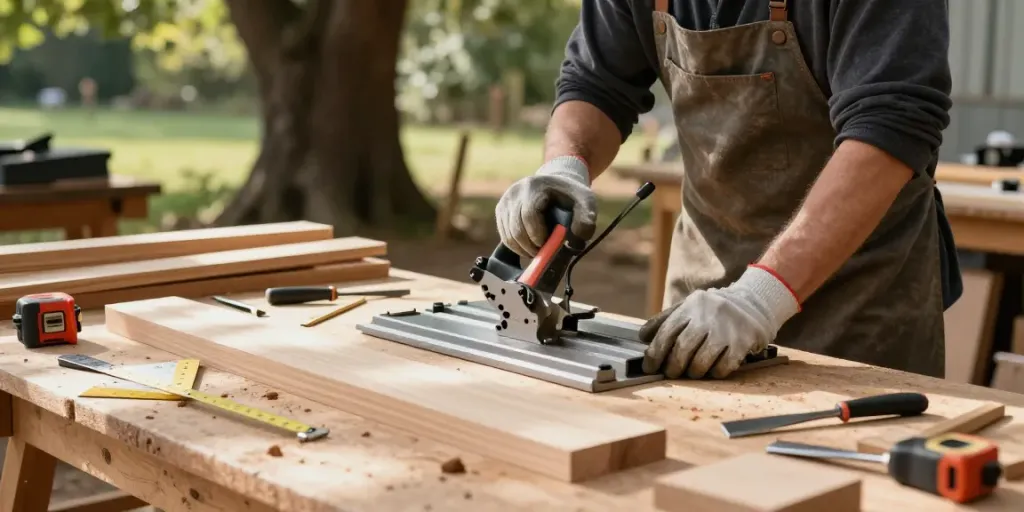
Understanding the Basics of Hand Mitre Saws
Hand mitre saws are essential tools for woodworkers, DIY enthusiasts, and professionals alike, providing precision and versatility in making angled cuts. Whether you're framing a picture, creating custom furniture, or undertaking other woodworking projects, understanding the intricacies of hand mitre saws can immensely enhance your craftsmanship. In this article, we will explore what a hand mitre saw is, its components, how to select one that suits your needs, and best practices for using and maintaining these tools.
When exploring options, hand mitre saw provides comprehensive insights into the latest models available on the market, ensuring you find the right tool for your woodworking needs.
What is a Hand Mitre Saw?
A hand mitre saw, often referred to as a hand miter saw, is a manual cutting tool specifically designed for making precise angled cuts in wood. Unlike its powered counterparts, a hand mitre saw relies on the user's strength and technique, making it an excellent choice for those who prefer a more hands-on approach to woodworking. It consists of a fine-toothed blade attached to a sturdy frame, allowing for clean cuts without the noise and power requirements of electric saws.
Components and Features of a Hand Mitre Saw
Understanding the various components of a hand mitre saw is crucial for effective usage. Key features include:
- Blade: Typically made of high-carbon steel or tempered steel, the blade's teeth are designed for precision cutting.
- Base: A stable base helps secure the material being cut and ensures accuracy.
- Mitre Box: A mitre box guides the saw, providing predetermined angles for making specific cuts, generally 45°, 30°, or 90°.
- Handle: The ergonomic handle ensures a comfortable grip, which is essential for control during cutting.
How to Choose the Right Hand Mitre Saw for Your Needs
Selecting the right hand mitre saw depends on several factors:
- Type of Projects: Consider whether you'll be using it for basic cuts or for more intricate tasks.
- Blade Size: A longer blade can cut larger materials but may also be heavier and more challenging to maneuver.
- Material: Ensure the saw is made from durable materials that can withstand wear and tear.
Best Practices for Using a Hand Mitre Saw
To maximize the efficiency and safety of your hand mitre saw, following best practices is essential. A proper setup, accurate cutting techniques, and awareness of common mistakes will greatly enhance your woodworking experience.
Setting Up Your Workspace for Safety and Efficiency
Creating a conducive workspace is paramount. Ensure that your workbench is stable and well-lit. Always use clamps to secure the wood you are cutting, as this reduces the risk of injuries. Additionally, having all your tools organized will streamline your process, allowing you to focus on precision rather than searching for equipment.
Techniques for Making Accurate Cuts
For precise cuts, start by measuring your material accurately and marking the cut line. Align your mitre saw with this line, using the angle guides for consistency. Maintain a steady hand and apply even pressure as you saw through the wood, ensuring a clean finish. Practice will help improve your technique and accuracy over time.
Common Mistakes to Avoid When Using a Hand Mitre Saw
Some common pitfalls include:
- Not securing the wood properly, leading to inaccurate cuts.
- Using a dull blade, which can cause splintering or jagged edges.
- Rushing through cuts, which increases the risk of errors and accidents.
Maintenance and Care for Your Hand Mitre Saw
Proper maintenance is vital to ensure longevity and performance. Regular care can save you costs in the long run and enhance safety while working.
How to Keep Your Saw Blade Sharp
Keeping the blade sharp is essential for smooth cuts. Regularly inspect your blade and sharpen it as needed. Several sharpening tools are available, or you may opt to have it professionally sharpened. A sharp blade not only cuts faster but also reduces wear on the saw and minimizes the risk of accidents.
Cleaning and Storing Your Hand Mitre Saw Properly
After each use, clean your saw to remove sawdust and debris, as this can impede its performance. Store your mitre saw in a dry place and consider using a protective cover to prevent damage and corrosion.
Signs That Indicate It's Time for a Replacement
Watch for signs such as excessive wear on the blade or frame, difficulty in making accurate cuts, or a loose handle. If you notice these issues, it might be time to consider a replacement.
Advanced Techniques with Hand Mitre Saws
Once you have mastered the basics, there are advanced techniques that can take your woodworking projects to the next level.
Combining Hand Mitre Saws with Other Tools
Combining a hand mitre saw with tools like chisels and hand planes can enhance the precision of your cuts and overall finish of your projects. For example, using a chisel after cutting can help achieve finer details in your woodwork.
Using Templates and Jigs for Precision Cuts
Creating templates or jigs can significantly enhance the accuracy of your cuts. These tools guide your hand mitre saw along a predetermined path, ensuring consistent and precise angles on multiple pieces.
Innovations in Hand Mitre Saw Design for 2026
The woodworking tool industry is continuously evolving, with innovations such as ergonomic designs, lightweight materials, and advanced blade technology improving user experience and cutting efficiency. Staying informed about these innovations can help you select the right tools for your projects.
Future Trends in Woodworking Tools
The woodworking industry is undergoing significant transformations, influenced by technological advancements and changing consumer preferences.
The Rise of Eco-Friendly Materials in Woodworking
There is a growing trend towards using sustainable and eco-friendly materials in woodworking. This not only helps the environment but also appeals to an increasingly eco-conscious customer base.
Technological Innovations Impacting Hand Tools
Smart tools equipped with sensors and connectivity features are beginning to enter the market, allowing users to track usage and maintenance needs through apps, providing new levels of convenience and efficiency.
How the Market for Hand Mitre Saws is Evolving
The market for hand mitre saws is also evolving, with an increasing demand for user-friendly designs that cater to both seasoned woodworkers and beginners. As manufacturers continue to innovate, the accessibility and versatility of these tools will only improve.
What is a Hand Mitre Saw?
A hand mitre saw is a traditional cutting tool used for making precise angled cuts in wood, favored for its simplicity and effectiveness in various woodworking tasks.
What is the Best Hand Saw for Cutting Mitres?
The best hand saw for cutting mitres usually features a fine-toothed blade and a strong frame, allowing for clean and accurate cuts at multiple angles.
How Can I Cut Miters by Hand?
You can cut miters by hand using a hand mitre saw or a backsaw combined with a mitre box, ensuring you measure and mark your angles accurately before cutting.
What is a Hand Mitre Saw Used For?
A hand mitre saw is primarily used for making precise angled and straight cuts in various materials such as wood, often used in framing, cabinetry, and decorative woodworking projects.. Additionally, Mister Worker provides further details.