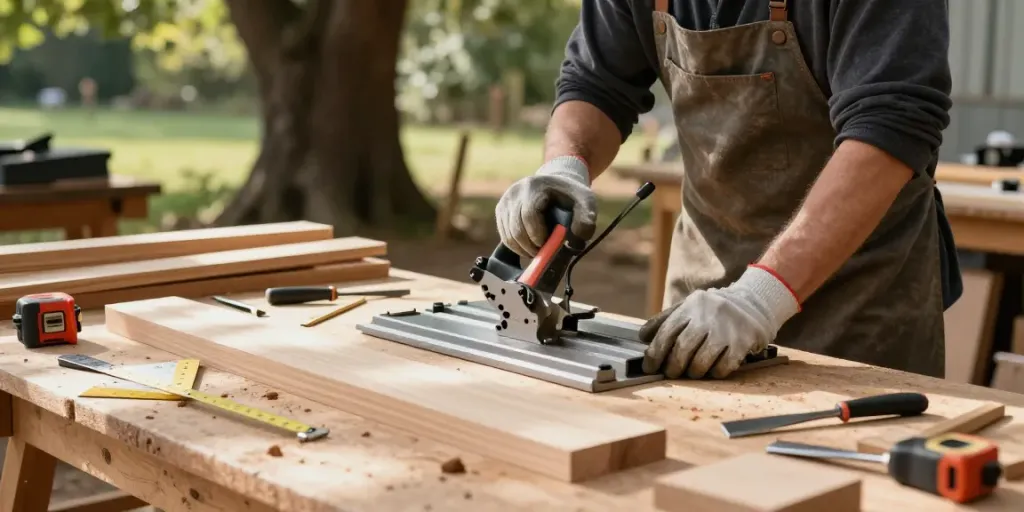
Understanding the Hand Mitre Saw
When it comes to precision woodworking, few tools are as indispensable as the hand mitre saw. This versatile tool enables woodworkers, hobbyists, and DIY enthusiasts to create clean and accurate angled cuts, making it perfect for a wide variety of projects, from picture frames to cabinetry. In this comprehensive guide, we will explore the intricacies of hand mitre saws, their advantages over power tools, and how to choose the right one for your specific needs. Additionally, we will discuss techniques for maximizing efficiency and maintenance tips to ensure long-lasting performance. If you're currently in the market for a new hand mitre saw, you'll find valuable insights here.
What is a Hand Mitre Saw?
A hand mitre saw, often referred to as a hand miter saw or manual miter saw, is a specialized cutting tool designed to make precise crosscuts and miters at specific angles. Unlike its electric counterparts, the hand mitre saw operates manually, employing a saw blade that is guided through a fixture called a miter box. This setup ensures that cuts are made at the desired angle, typically ranging from 0 to 45 degrees, although some models may allow for greater range. The saw’s design, which usually includes a reinforced spine to keep the blade steady, ensures accuracy while cutting a variety of materials.
Key Features of Hand Mitre Saws
When evaluating hand mitre saws, several key features should be considered:
- Blade Type: Most hand mitre saws come with a high-quality blade designed for smooth cuts in wood, though some versions are suitable for other materials.
- Angle Adjustment: Look for models that provide easy angle adjustments, allowing for quick changes between different miter angles.
- Material Holders: Features such as clamps or guides can enhance user safety and precision by securing the material in place during cutting.
- Handle Design: A comfortable, ergonomic handle is essential for maintaining control and reducing fatigue during extended use.
Benefits of Using Hand Mitre Saws Over Power Tools
While electric saws offer speed and efficiency, hand mitre saws present several advantages, particularly for those looking to enhance their woodworking skills:
- Portability: Hand mitre saws are lightweight and can be easily transported, making them ideal for jobsites or projects requiring mobility.
- Precision: The manual operation of a hand mitre saw allows for greater attention to detail, enabling artisans to create intricate designs.
- Cost-Effective: Without the need for an electrical power source and complex motors, hand mitre saws are typically more affordable than power tools.
- Quiet Operation: These saws operate silently, allowing for use in environments where noise may be a concern.
Choosing the Right Hand Mitre Saw
With a plethora of options available on the market, selecting the right hand mitre saw can be daunting. Understanding your project requirements and personal preferences is crucial to making an informed decision.
Top Brands and Models in 2026
As we progress into 2026, several brands have stood out in the hand mitre saw market. Some of the top manufacturers include:
- Stanley: Known for their durability and accuracy, Stanley offers a variety of hand mitre saws suitable for both amateurs and professionals.
- Irwin: Their saws are appreciated for their innovative designs and robust construction, making them a favorite among woodworkers.
- Makita: While primarily known for power tools, Makita also produces quality hand mitre saws that combine traditional craftsmanship with modern technology.
How to Select the Best Saw for Your Projects
When selecting a hand mitre saw, consider the following factors:
- Project Type: Determine the types of cuts you’ll need to make. If you plan on doing a variety of projects, a versatile saw that accommodates multiple angles will be beneficial.
- Blade Quality: Look for saws with high-quality steel blades to ensure durability and clean cuts.
- Size and Weight: Consider how often you’ll be transporting the saw and choose a size that balances portability with stability.
Common Mistakes to Avoid When Buying
To ensure you get the most out of your investment, avoid these common pitfalls:
- Not testing the saw: If possible, try out the saw before purchase to ensure comfort and ease of use.
- Overlooking accessories: Accessories like a blade guard or additional clamps can enhance safety and workflow.
- Ignoring user reviews: Take the time to read reviews and feedback from other users to gauge the saw’s performance and reliability.
Techniques for Efficient Use
Once you have chosen your hand mitre saw, mastering its use is crucial for achieving the best results. Here are some essential techniques:
Mastering the Basics: How to Set Up a Hand Mitre Saw
Proper setup is vital for achieving accurate cuts. Follow these steps to set up your saw:
- Secure the saw in a stable position, ensuring it is level and well-supported.
- Adjust the miter angle according to your project needs.
- Secure the material using clamps or a miter box for added stability.
Best Practices for Accurate Cuts
To ensure clean and precise cuts, adhere to these best practices:
- Measure Twice, Cut Once: Always double-check your measurements before making cuts to minimize waste.
- Use Steady Pressure: Apply consistent pressure while sawing to maintain control and achieve a smooth cut.
- Follow the Grain: Cutting with the grain of the wood will produce better results than cutting against it.
Safety Tips When Using a Hand Mitre Saw
Safety should always be a priority when using any woodworking tool. Here are essential safety tips:
- Always wear protective eyewear to guard against sawdust and debris.
- Ensure your work area is clean and organized to prevent accidents.
- Do not rush your cuts; take your time to ensure precision and safety.
Maintaining Your Hand Mitre Saw
Regular maintenance is key to ensuring the longevity and performance of your hand mitre saw. Here are some essential care tips:
Essential Care Tips for Longevity
Proper maintenance includes:
- Cleaning the saw after each use to remove dust and debris.
- Checking and tightening all screws and bolts regularly to prevent wear.
- Storing the saw in a cool, dry place to protect it from moisture and rust.
How to Sharpen the Blade Properly
Keeping the blade sharp is crucial for effective cutting. Follow these steps:
- Remove the blade carefully from the saw, following the manufacturer’s instructions.
- Use a sharpening stone or file specifically designed for saw blades, applying even pressure across the cutting edge.
- Reattach the blade securely to the saw, ensuring it is well-aligned and properly tensioned.
Signs Your Saw Needs Repair or Replacement
Be vigilant for signs of wear and tear that may indicate the need for maintenance or replacement:
- Difficulty making clean cuts or excessive chipping of the wood.
- Visible damage to the blade or components of the saw.
- Increased vibration or noise during operation, which could signal mechanical issues.
The Future of Hand Mitre Saws
The hand mitre saw, despite the technological advancements in power tools, continues to hold its ground in the woodworking community. As we look ahead to 2027 and beyond, the following trends are likely to shape the landscape of hand tools:
Trends in Woodworking for 2027 and Beyond
The woodworking industry is evolving, with increased interest in sustainable practices and the integration of technology. Hand tools, including the hand mitre saw, are being adapted to meet the needs of environmentally conscious users. Expect to see more options made from renewable materials that offer both performance and sustainability.
The Impact of Technology on Traditional Hand Tools
While technology often means electric alternatives, it also fosters innovation in hand tools. Manufacturers are developing lighter materials and ergonomic designs to enhance user experience and efficiency. Look for advancements that make manual tools easier to transport and use without losing the precision they are known for.
Embracing Sustainable Practices in Woodworking
As sustainability becomes a priority, woodworkers are increasingly seeking tools that support eco-friendly practices. For more information, Mister Worker offers valuable insights. The hand mitre saw remains a favored choice for its minimal environmental impact compared to power tools. Crafting items from reclaimed wood or sustainably sourced materials aligns with this trend, making the hand mitre saw an essential tool for conscious creators.